Futurology Featured
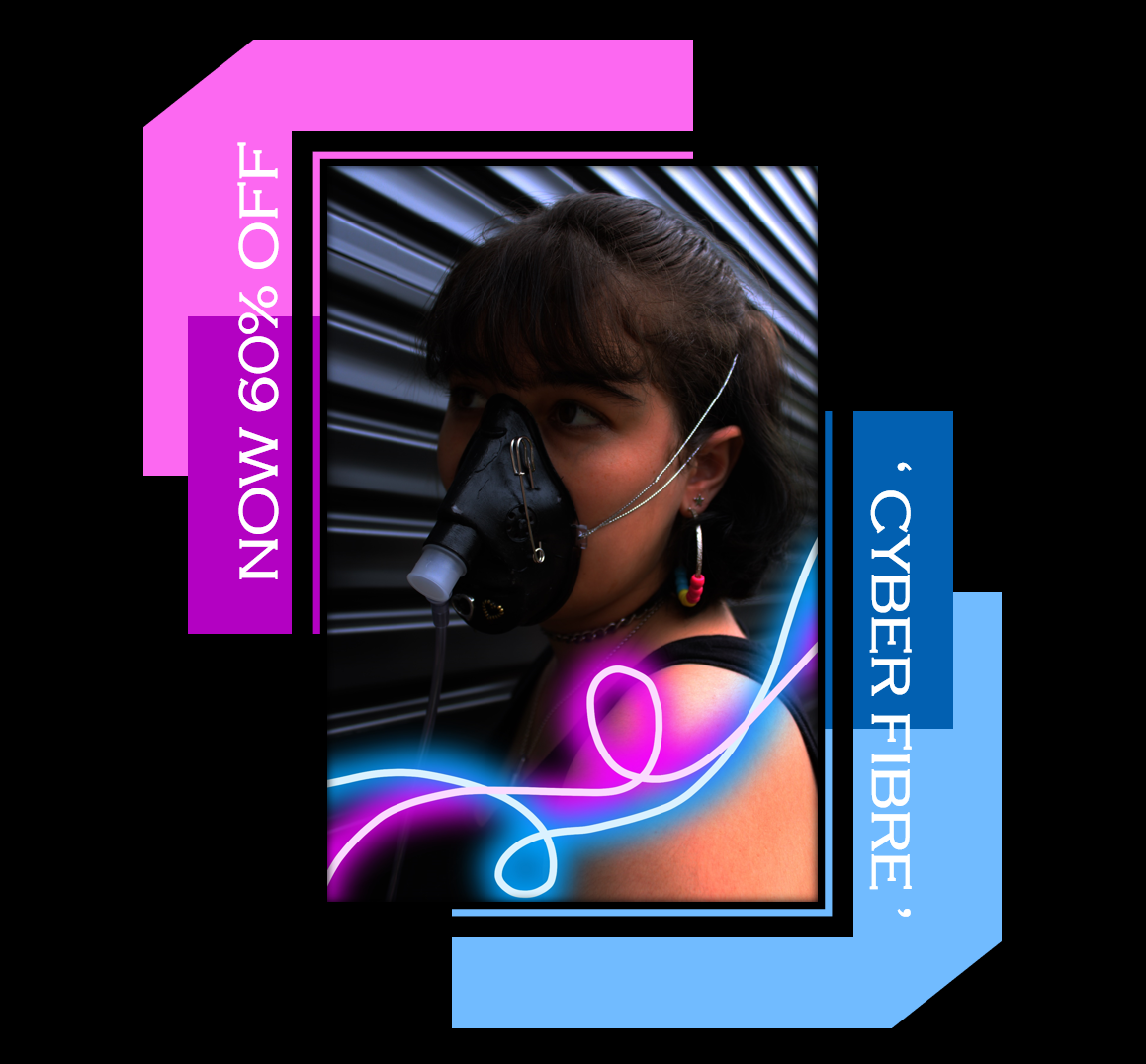
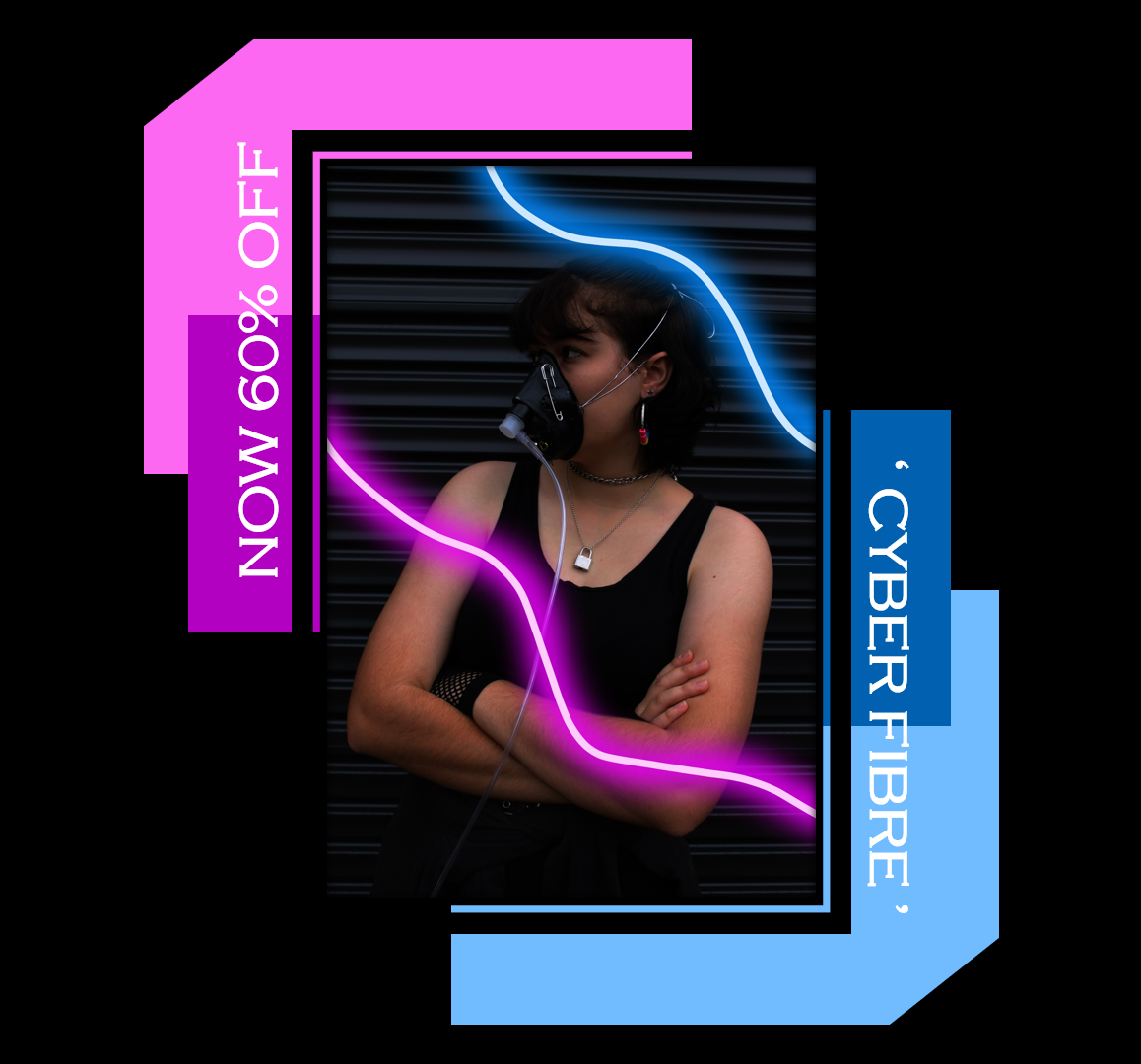
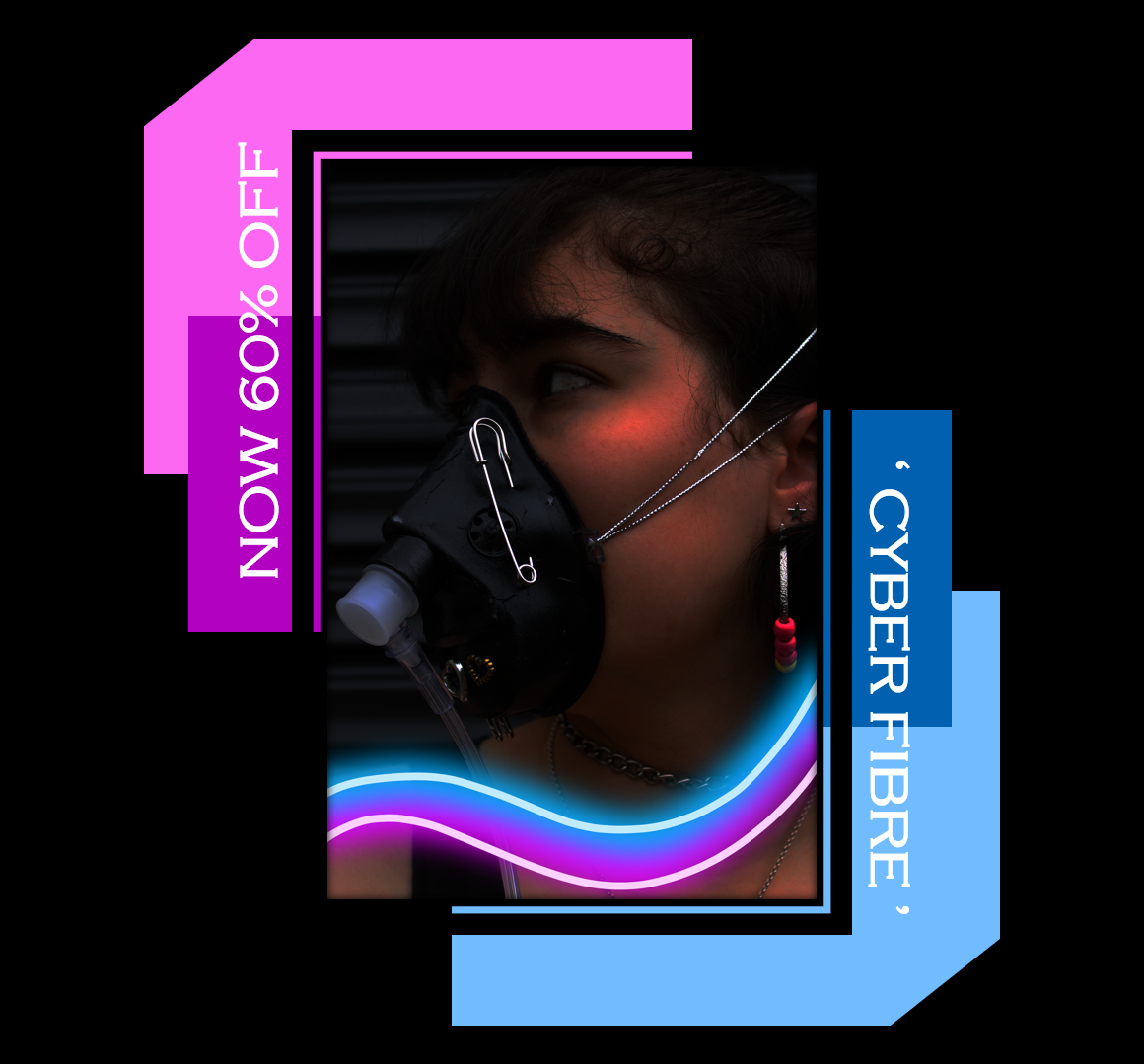
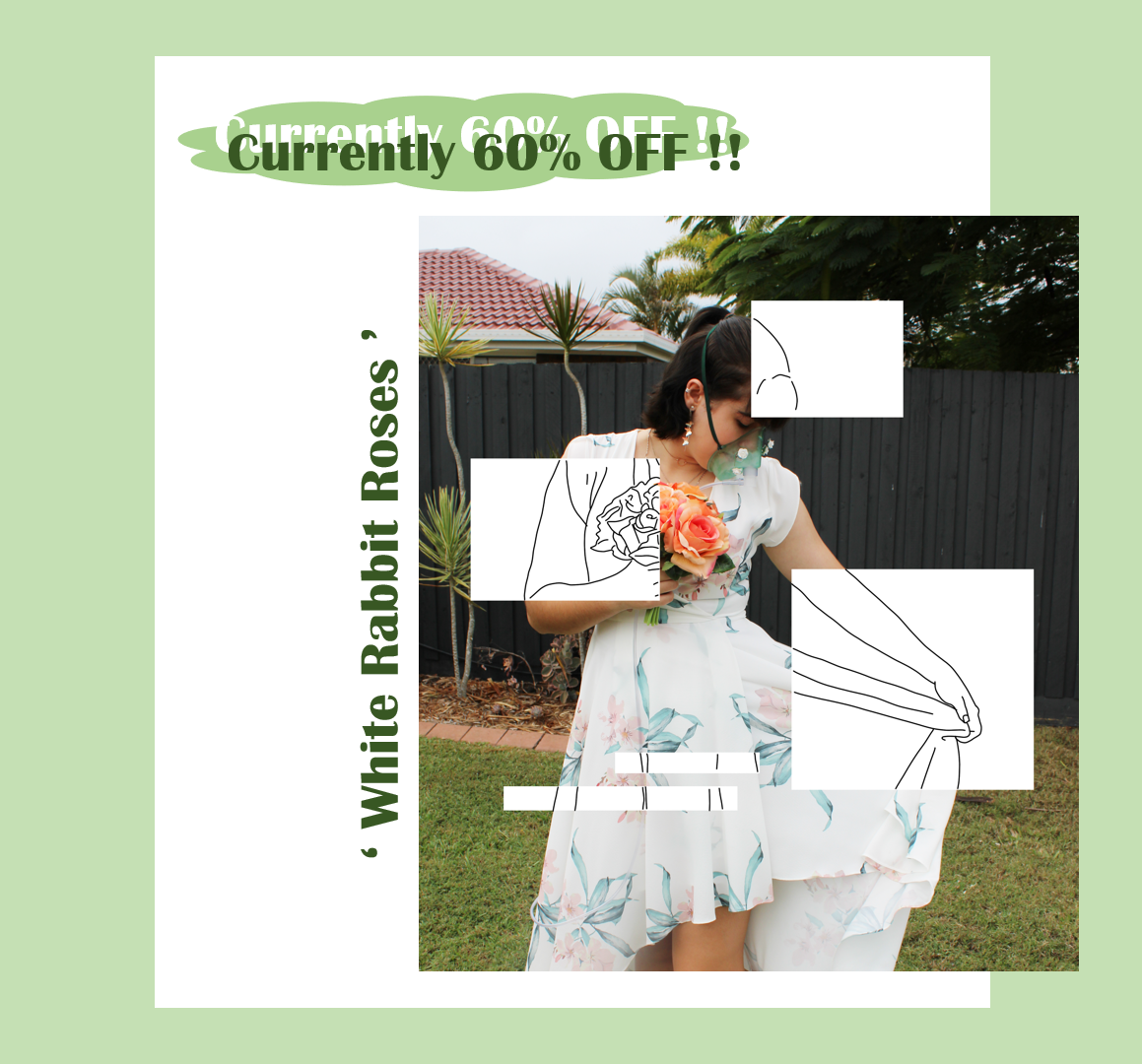
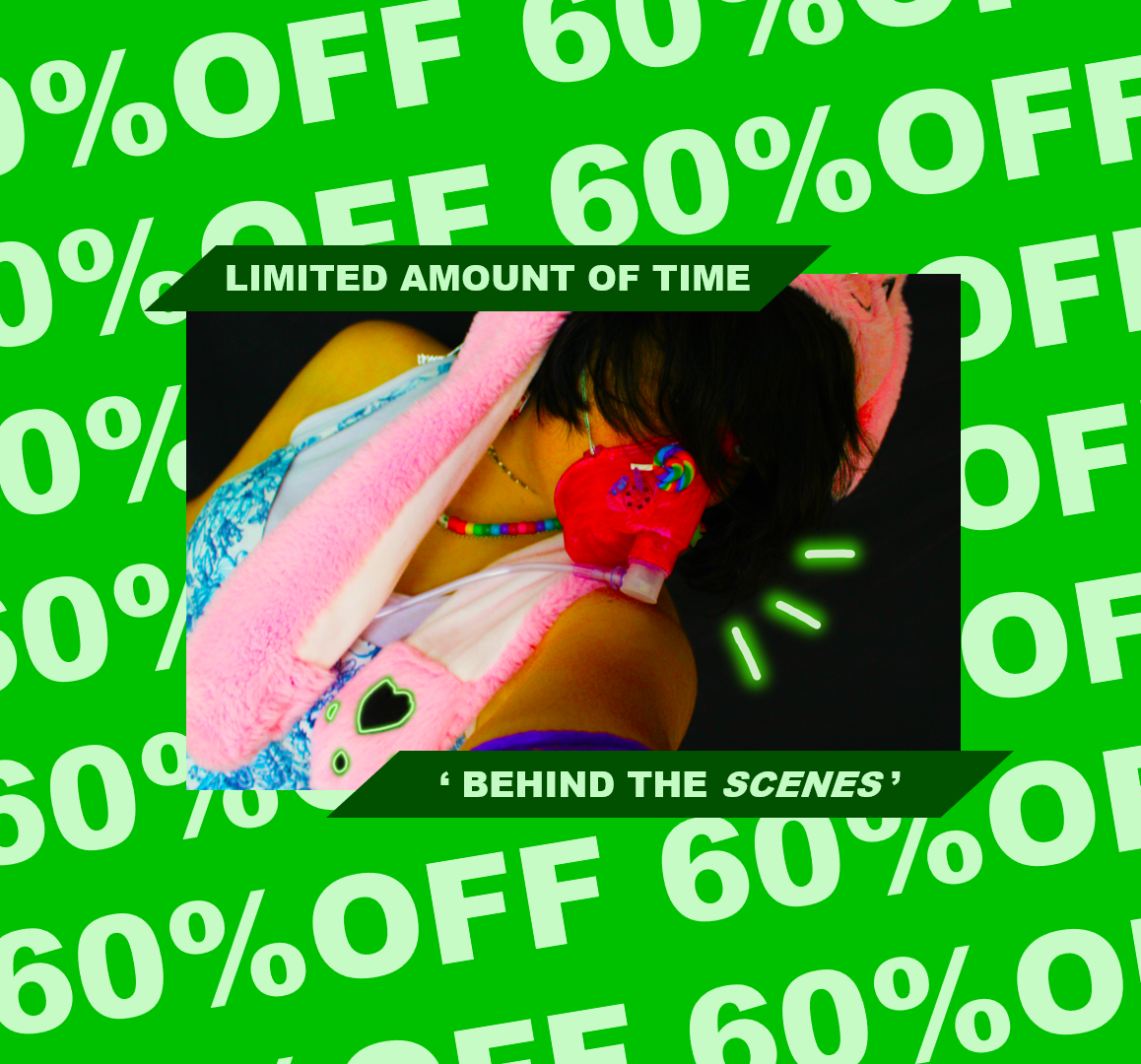
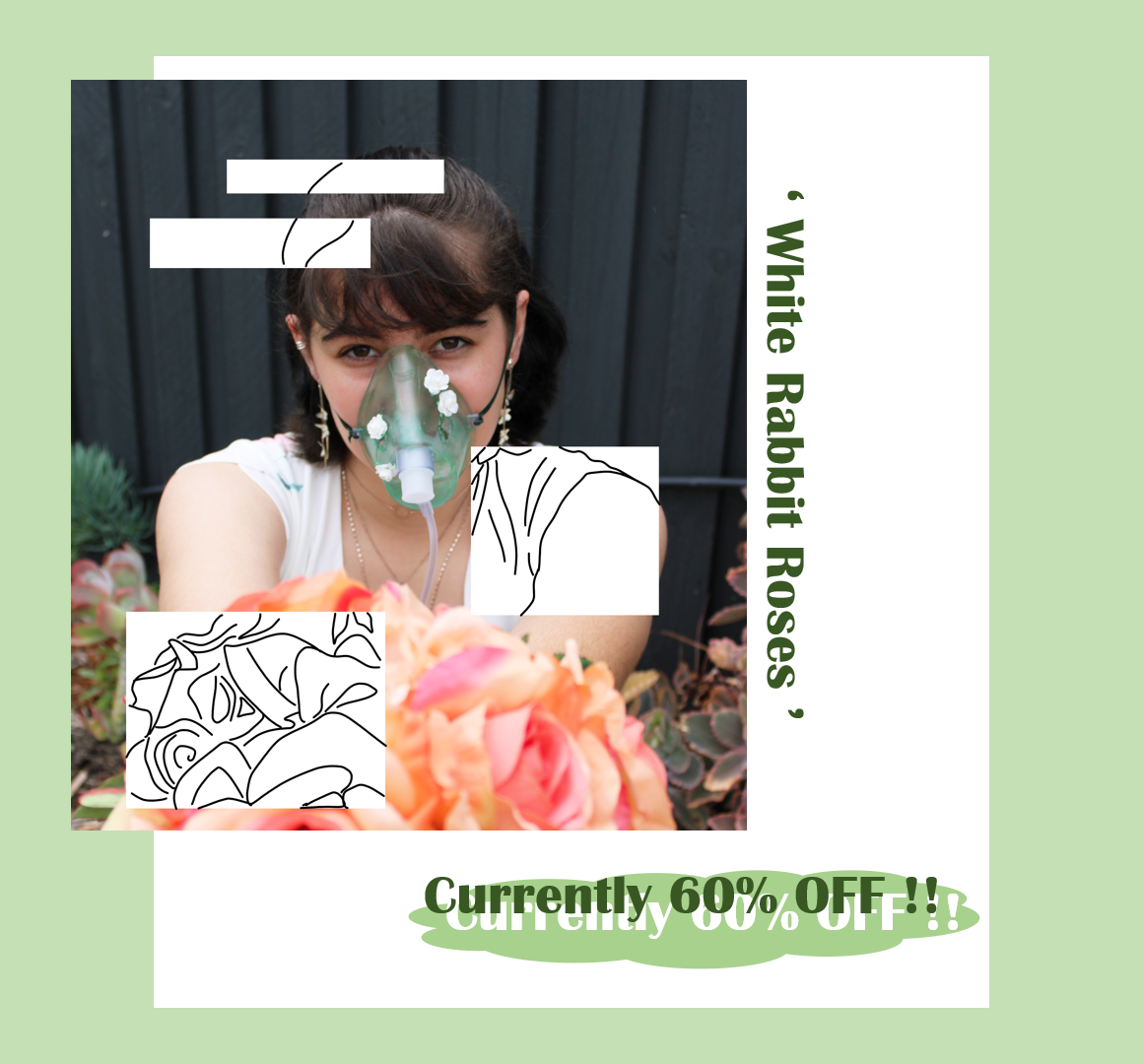
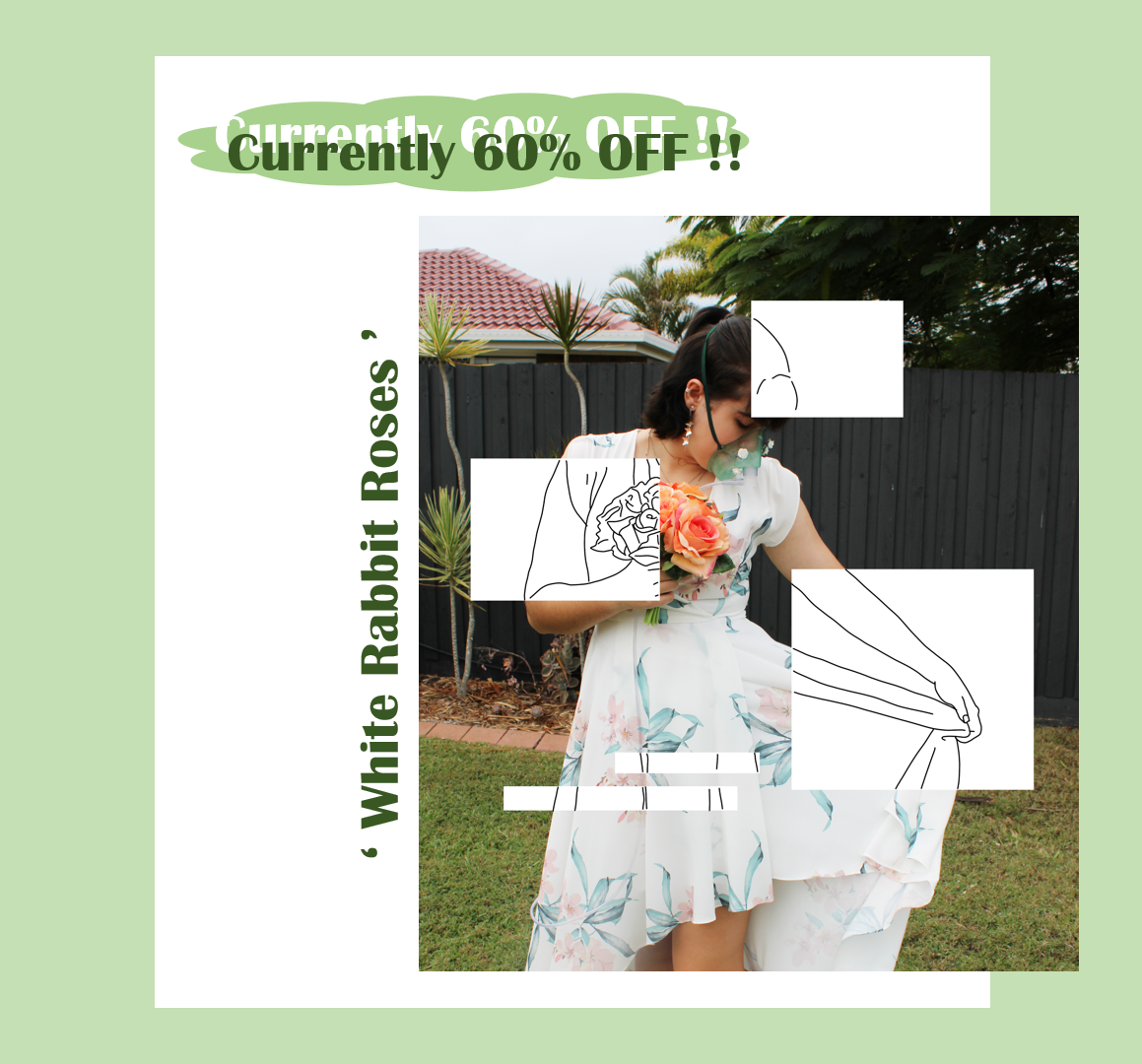
Futurology Featured (2023) was an art piece inspired by COVID-19. It’s based on the concept of human beautification in a future where survival relies on external medical equipment.

-
Much of the world’s population seem to still be struggling with the concept of climate change and how it effects all living beings.
-
A future-focused, commentary art piece, that exposes the mix of our daunting, changing climate, combined with the societal issue of over-consumption.
-
The masks were decorated using glass paint and cheap glued on charms; the terrible quality intentional to the commentary. After taking the photos, the fake advertisments where made using a combination of Adobe Photoshop and Microsoft PowerPoint.
Artist Statement (2023)
My body of work, ‘Futurology Featured’, draws inspiration from and dramatizes the beginning of the COVID-19 pandemic in the year 2020. A future vision is imagined advertising based in the near future set in various styles as not only a means of survival but catering to the fashion-conscious nature of contemporary humanity. On a more serious note, it exhibits and brings attention to the of effects Global Warming considering the way society is currently travelling. The modified beautification of the masks presents humanities greed and desire through capitalisation while juxtaposing the creativity of humans, making the best of an unavoidable situation. Through my four key artists, Alexis Rockman, Greenpeace, Mary Mattingly and Max Siedentopf, I explored the ideas of advertising, futurism, and the philosophy of futurology. The philosophy of futurology is the systematic study of social and technological advancement. It commonly focuses on how humanity will live in the future.
Inspiration
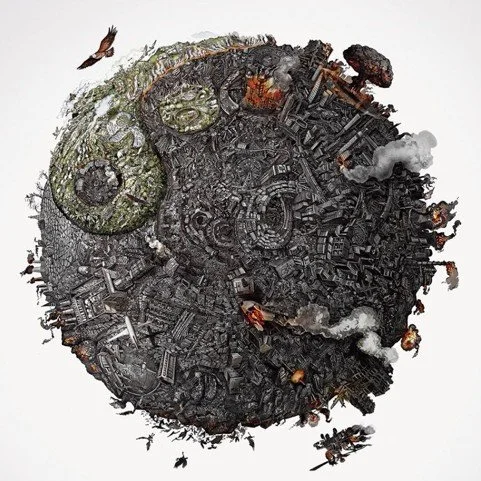
Bring back the balance
Greenpeace
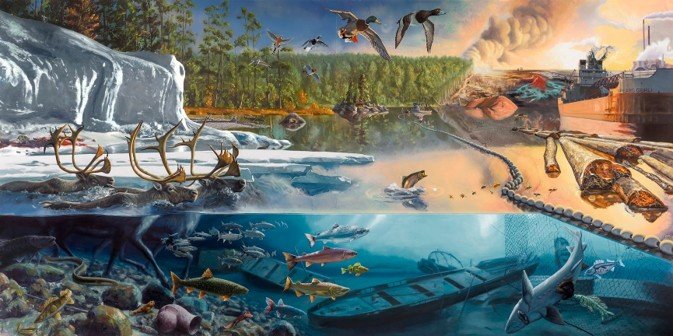
Cascade
Alexis Rockman
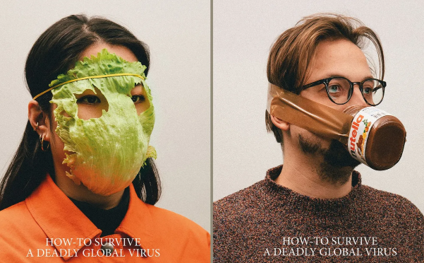
How To Survive a Deadly Global Virus
Max Siedentopf
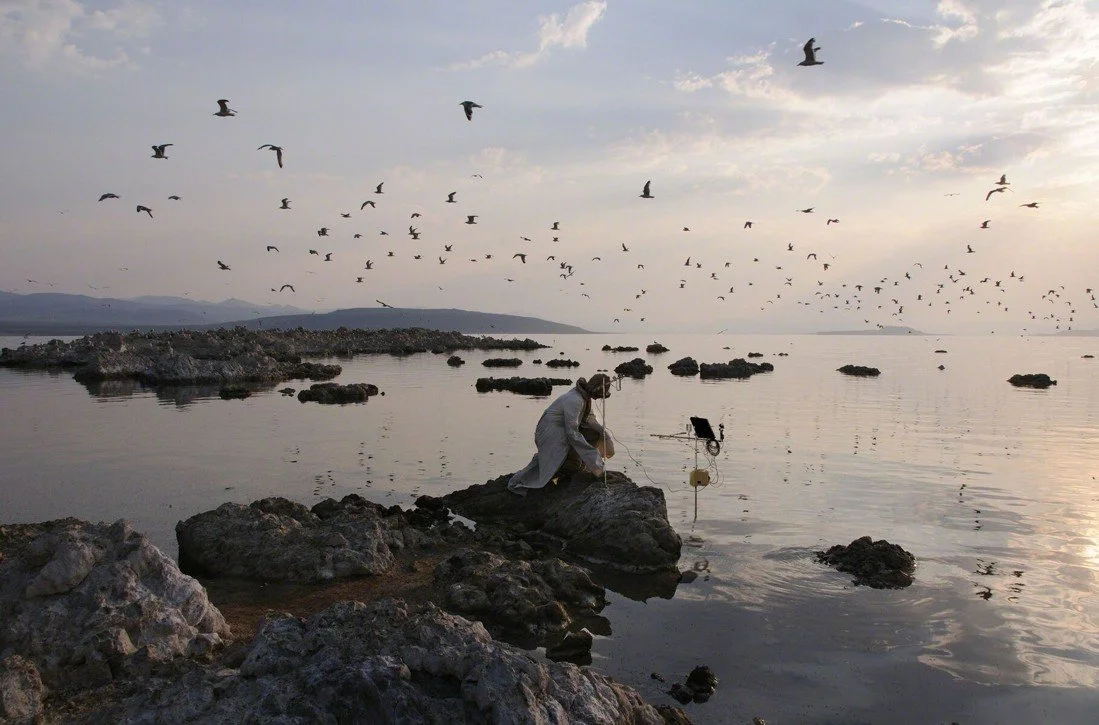
Mono Lake
Mary Mattingly
A common theme with these pieces, is the destruction of the Earth.
Alexis Rockman’s Cascade (2011), features an environment slowly being destroyed and animals suffering. Greenpeace’s Bring Back the Balance (undated), exhibits confronting statistics that show how humanity has caused the Earth to mostly contain pollution. Mary Mattingly’s Mono Lake (2008), is a photograph assisting to show its audience the affects that humans have on the environment. Max Siedentopf’s How To Survive a Deadly Virus (2020), is a comedic take on the beginning of the COVID-19 pandemic.
Process
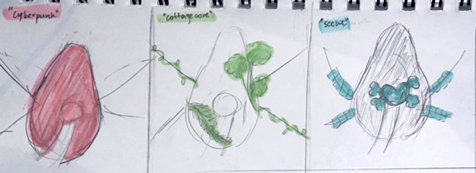
The original idea for this resolved work was three completely different oxygen masks in ways that compliment different styles. These are the first sketches. From left to right, the styles are ‘cyberpunk’, ‘cottage core’ and ‘scene’.
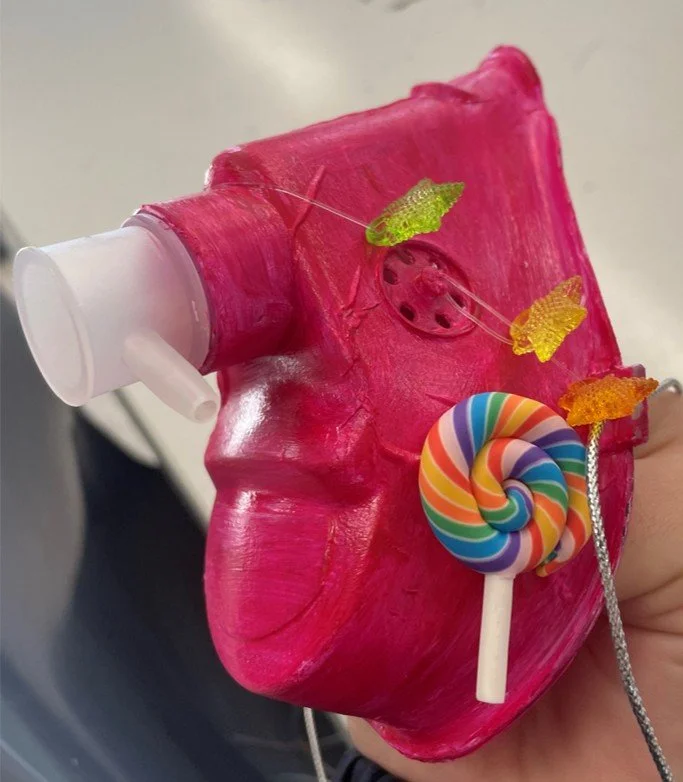
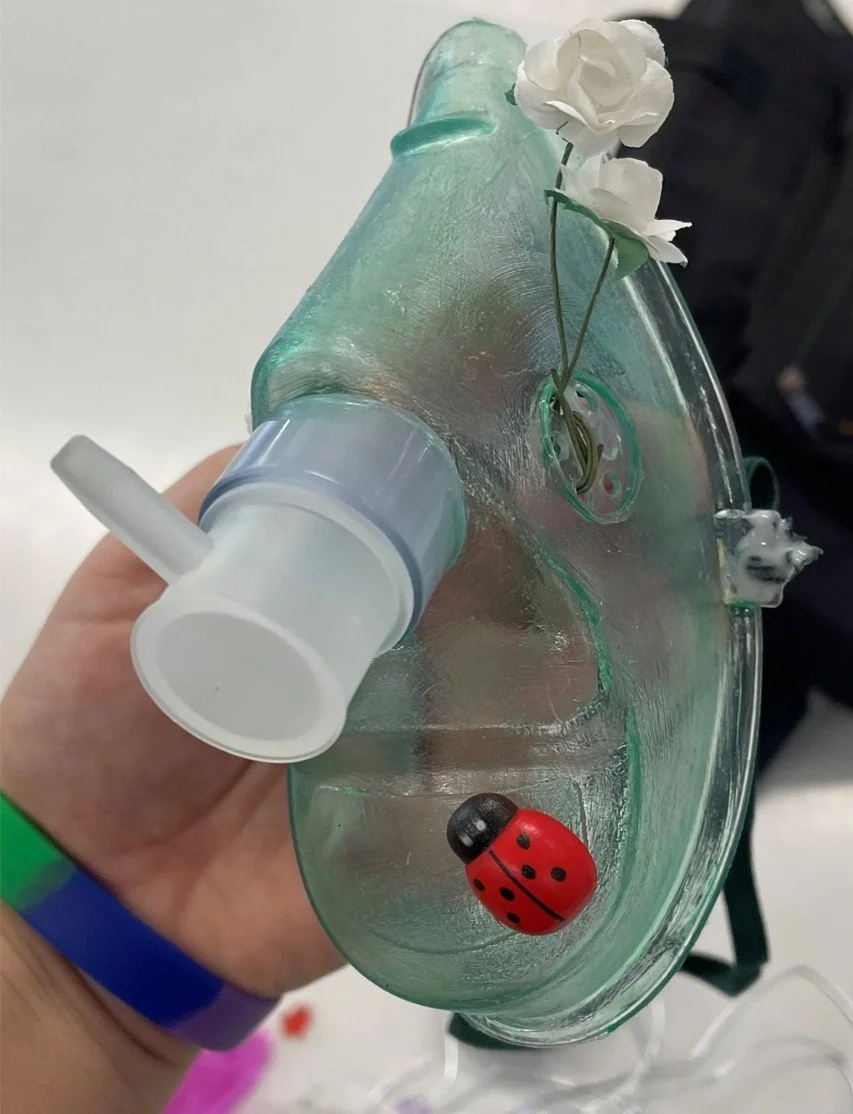
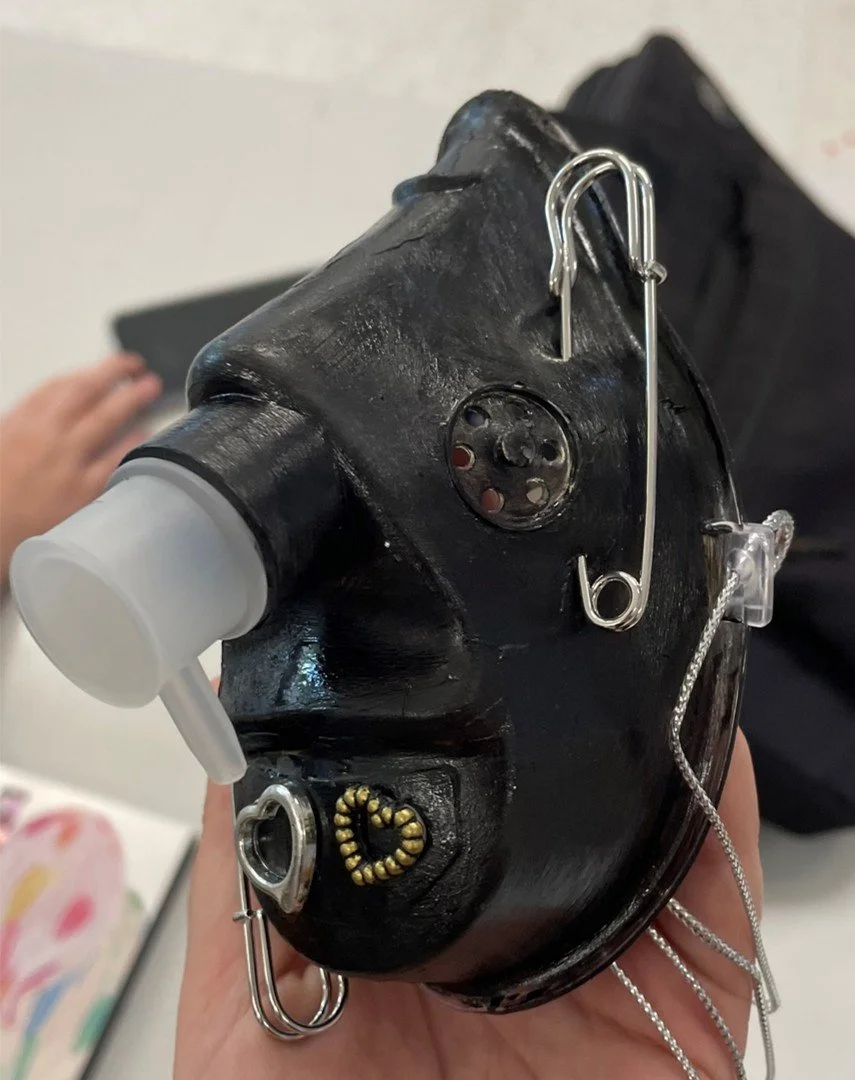
The masks were decorated with glass paint and cheap plastic charms. This was an artistic decision that adds to the commentary of the piece.
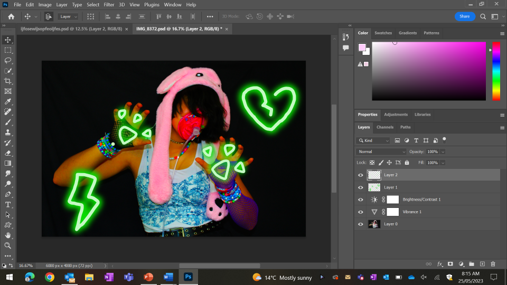
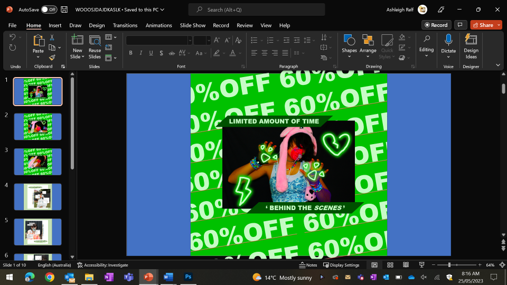
After taking photos with the masks, I used Adobe Photoshop to adjust the colouring and add related graphics. As this piece was created in 2023, I had yet begun my Bachelor of Design, so my skills with Adobe Software was limited. With that in mind, I used Microsoft PowerPoint to finish off my advertisements. Later the images were collated into a brief slideshow to be displayed in an Exhibition.
Final Product
Behind the Scenes
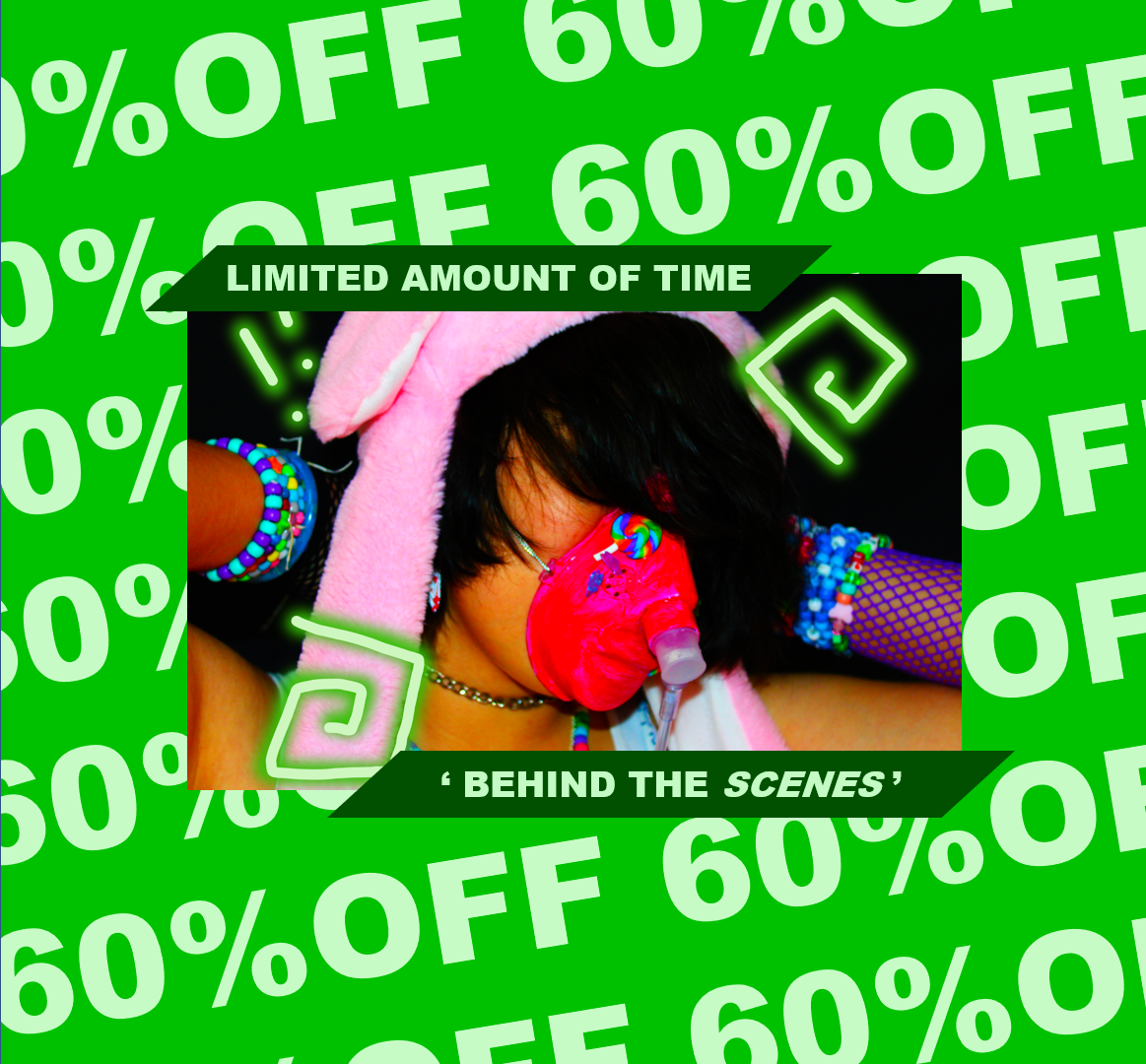
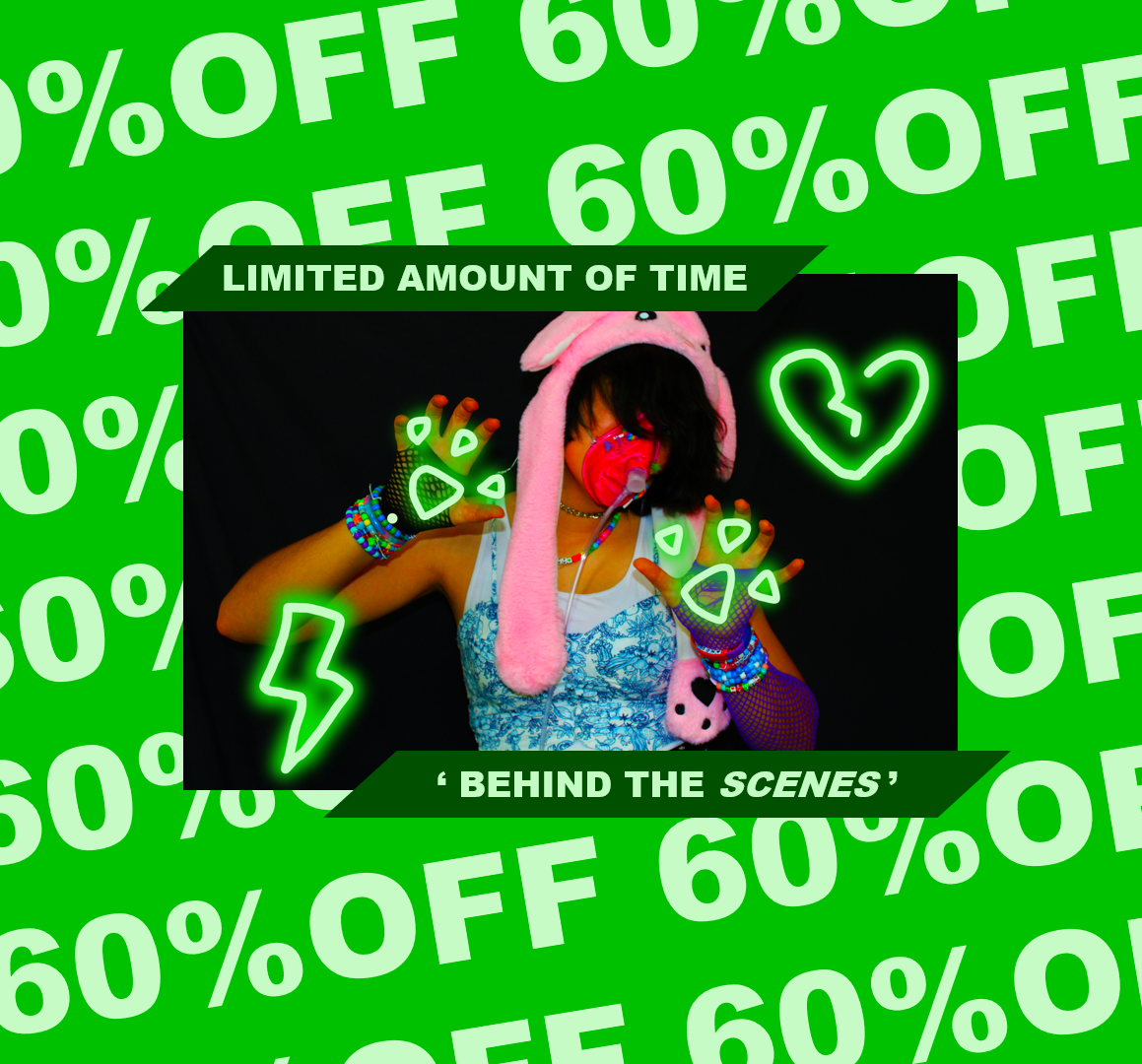
White Rabbit Roses

Cyber Fibre